
The research is clear: we are experiencing rapid climate change. The situation is critical, and even though we already know a lot, more research is needed to better understand and manage the effects of climate change.
For example, we need more knowledge about the local consequences of climate change, such as how weather, water, and oceans are affected in different parts of the world. At the same time, we also need to understand the large-scale effects of climate change, such as the reduction of sea ice in the Arctic or a possible change in large-scale ocean circulation, and how this may affect us here in Sweden, but also on a global scale.
Through measurements and observations, we can track climate change that has occurred to date, but it cannot provide details about future developments. Other methods are needed for that. SMHI has one of Sweden's largest research groups focusing on climate research. We use and develop advanced models to predict future climate developments. In short, a model is a mathematical description of the processes that together form the climate system. Based on our understanding of how the processes interact and what the results of changes caused by higher levels of greenhouse gases will be, we can also use calculations to make projections of how the climate may develop in the future, in 20 years or at the end of the century, depending on the degree of human impact on the climate.
Delve deeper into the research
Tipping points
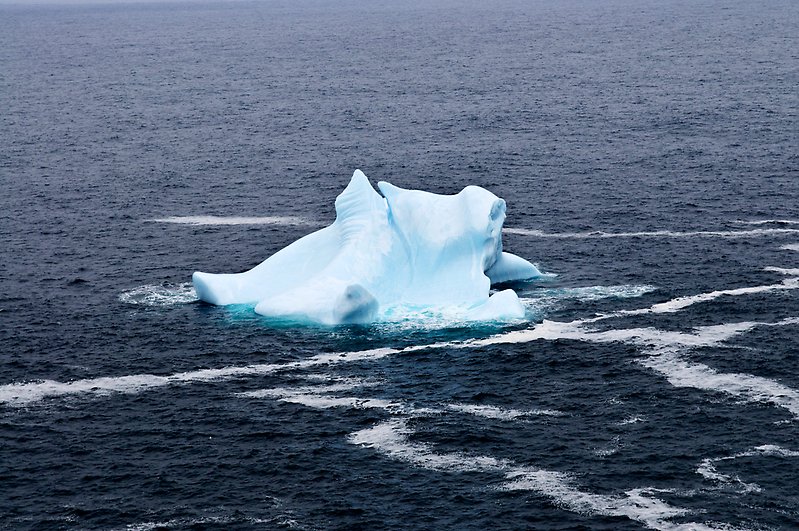
Exceeding a tipping point means an abrupt or extensive shift in part of the climate system, known as a tipping element. Examples of tipping elements that may reach tipping points in the near future are the Greenland and West Antarctic ice sheets, tropical forests, large-scale ocean circulation in the North Atlantic, and permafrost. Exceeding such tipping points can lead to dramatic changes in the climate that can pose serious risks to ecosystems and communities at both the global and regional levels, as well as hamper efforts to limit global warming. However, there is still considerable uncertainty about when tipping points will be reached. Therefore, we need to improve our understanding of tipping points through research.
We do this by using advanced climate models to simulate and analyze key processes such as permafrost, inland ice sheets, and vegetation. The goal is to identify potential early warning signals and create safe emission pathways that can prevent tipping points from being exceeded. We are also researching how exceeding a tipping point can lead to a cascade of further tipping events, as well as how extreme weather events can affect these processes. The results can provide policy guidance by describing the consequences of exceeding tipping points and identifying safe emission pathways.
Research about potential tipping points
The OptimESM research project provides knowledge about the consequences of reaching or exceeding different levels of global warming - including the risk of rapid changes in the climate system and regional effects.
How can it become both wetter and drier?
When the Earth's temperature rises, evaporation intensifies, which means that more water is transported to the atmosphere. The warmer atmosphere can also hold more water vapor, leading to a global increase in precipitation. However, these changes in precipitation and evaporation vary between different regions and at different times. It is therefore important to conduct research to understand how the changes will affect, for example, flooding, drought, fire risk, and water shortages in different regions and seasons.
We have developed the World Wide HYPE hydrological model, which can describe the effects of climate change on hydrology. The information from Word Wide HYPE is used both by us and by international researchers to analyze how different regions are at risk of becoming wetter or drier at different times of the year, so that communities can adapt to a changing climate. The model is also used internationally in collaboration with local experts, including in Africa and Asia, to build capacity and support communities in managing water-related challenges in a changing climate, as well as to warn when extreme weather leads to flooding.
In order to build a sustainable society, we need to understand how different parts of the hydrological cycle are changing in Sweden. Here, we use our own hydrological model, S-HYPE, together with data from climate models to investigate future changes. We also conduct impact studies to investigate how climate change's impact on the hydrological cycle can affect different sectors, such as agriculture, energy production, and the forestry sector, by studying future forest fire risk.
Extreme weather
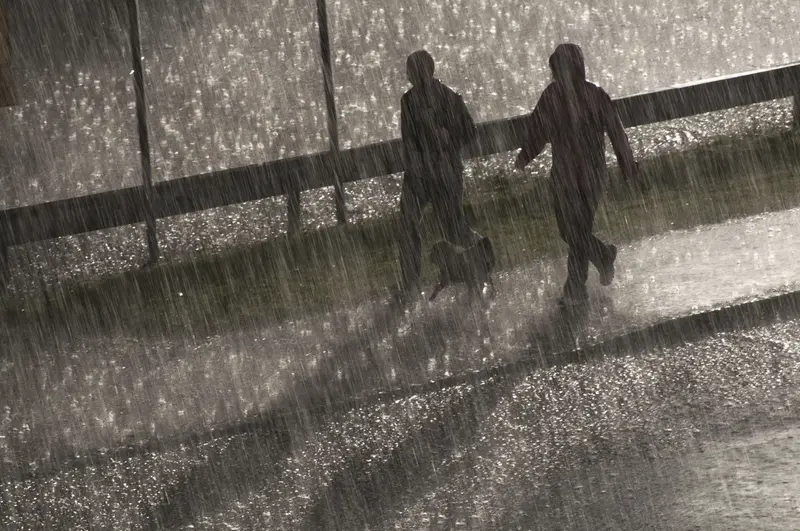
Research can clearly link changes in many types of extreme weather to climate change. At SMHI, we investigate how the intensity and frequency of extreme weather may change in a warmer climate. We also conduct research on how society can adapt to extreme weather, such as floods, heat waves, and coastal high water events.
On our topic page on extreme weather, we describe our research on different types of extreme weather in more detail.
Research about extreme weather
To the topicA warmer sea
The seas are getting warmer as a result of climate change. We mainly research how the sea areas around Sweden, the Baltic Sea, the Skagerrak/North Sea, and the Arctic Ocean, but also the Southern Ocean, are affected by these changes. Our studies show, for example, that climate change is amplifying the effects of eutrophication in the Baltic Sea, and that by the end of this century, climate change could affect marine habitats and ecosystems as much as all other environmental pressures combined. Another area of research is how the reduction of sea ice in the Arctic is in turn affecting the climate.
Global warming is also leading to rising sea levels. We are developing various future scenarios for sea level rise based on different emission trajectories. In particular, we are studying sea level rise in combination with extreme weather events such as heavy rainfall and storm winds.
On our topic page on the state of the ocean, we describe in more detail our research on how the ocean is affected by a changing climate.

Research about the ocean
To the topicClimate services
According to SMHI's instructions, we are to provide climate information to society. We do this by converting raw data from climate models, observations, and results from climate impact studies into clear and accessible messages. The aim is to increase public knowledge about climate change and to support decision-makers and experts in adapting to new climate conditions and limiting climate impact.
Many low- and middle-income countries are particularly vulnerable to climate change. In these countries, access to reliable climate data is often limited, which makes it difficult to adapt to climate change. To strengthen these countries' ability to meet climate challenges, SMHI participates in several international development partnerships. One example of this is the development of the Climate Information Portal, which SMHI created on behalf of the Green Climate Fund and the WMO. The portal gives users free access to climate information that can be used to seek financial support from the Green Climate Fund, implement climate measures, and adapt to climate change.
Climate Information Portal
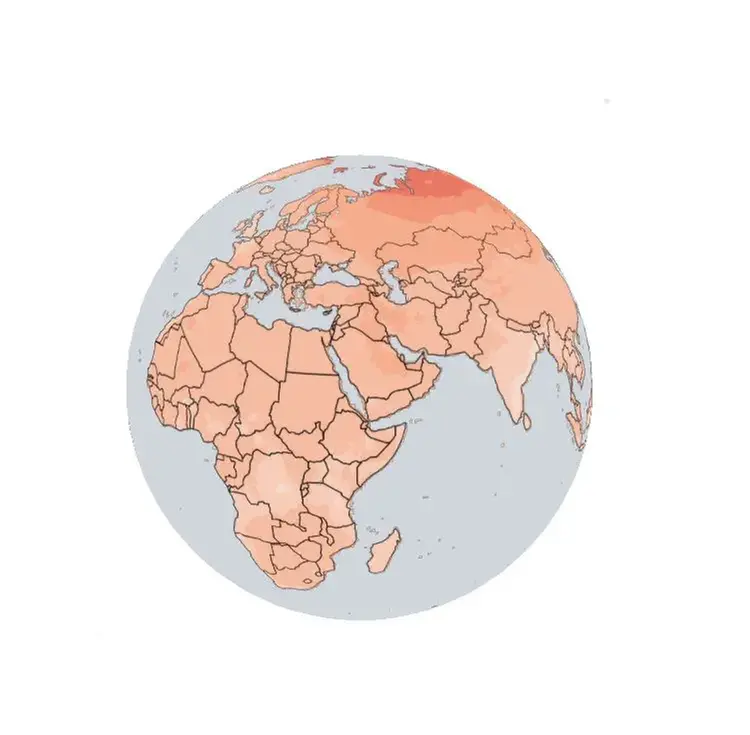
The service offers summaries of global climate change, calculations of changes in climate indicators, and guidance on climate information.
Climate Change Scenario Tool
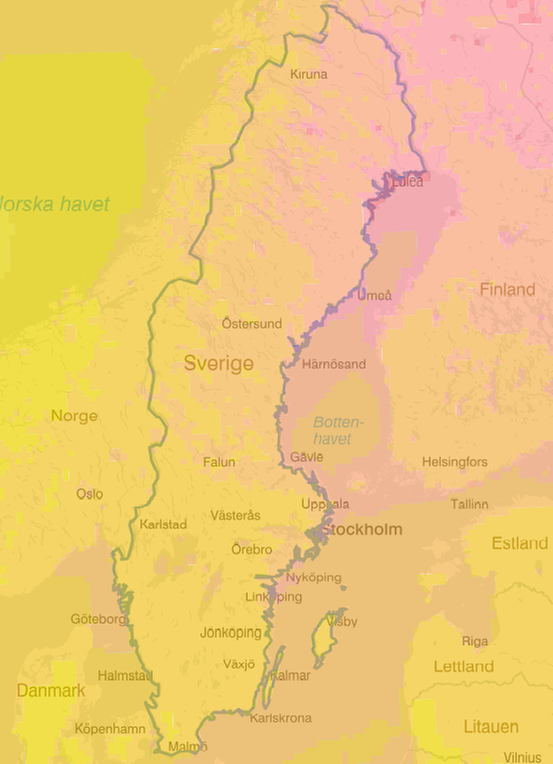
The service provides scientifically based climate data and future scenarios for Sweden to support adaptation and planning in various sectors of society.
Read about more topics
Related links

More about research related to climate change
Our Research Units
All our research is developed through our four research units and the research projects we lead and participate in. Through this research, we advance our models and tools for the benefit of society and SMHI.
Meteorology — Hydrology — Oceanography — Climate at the Rossby Centre
National and International Collaboration
A large part of our research and development is carried out in cooperation with others.
Models Based on Research and Development
Examples of models used for climate research:
Research Projects that Drive Development
Examples of research projects that develop models, methods, and tools for climate research: