
Projects that Drive Knowledge Development
In a changing world, new knowledge is needed to answer new questions. This is what drives our research forward. Together with various societal stakeholders, we formulate research questions through a co-creation process that makes us responsive to society’s needs. Funding is sought through research calls from, for example, national research councils and international funders. Only the most competitive research will be granted funding, which means we must stay current and relevant in order to continue our important work. We see this as an important mark of quality for our research.
Project-Funded Research
Our research and development are primarily project-funded. This means that we apply for funding from national and international research funders, who assess the societal value of our research when reviewing our applications. Competition for funding is fierce. Only research with clear societal benefits will receive support.
Our research and development are funded in part through the EU’s framework programme for research and innovation - Horizon Europe and Destination Earth.
We also carry out projects funded by the European Copernicus Programme for open Earth observation data, the European Space Agency (ESA), the World Meteorological Organization (WMO), the World Climate Research Programme (WCRP), and the Green Climate Fund.
National research funders such as the Swedish Research Council, Formas and Vinnova, as well as authorities including the Swedish Civil Contingencies Agency (MSB), the Swedish Environmental Protection Agency, the Swedish National Space Agency, and the Swedish Agency for Marine and Water Management also support our projects.
From Project Coordinator to Data Producer
We take on a range of different roles in research projects, such as:
- coordinating large EU projects involving many partners from several countries,
- leading national projects,
- conducting research in projects led by others, or
- producing data using our models as input for other research or reporting.
On the page Our Research Projects, you will find a selection of the projects we coordinate or participate in.
If you are interested in collaborating with us in a research project, you are welcome to contact us.
Climate reseach projects
The ongoing climate change creates a major need for new knowledge. This is important both for limiting future warming and for helping society adapt to the more extreme weather that comes with a warmer climate.
Our climate research projects strengthen and expand understanding of climate change. They also provide important insights into the effects of a warmer climate. This knowledge is essential for supporting society’s adaptation to new climate conditions.
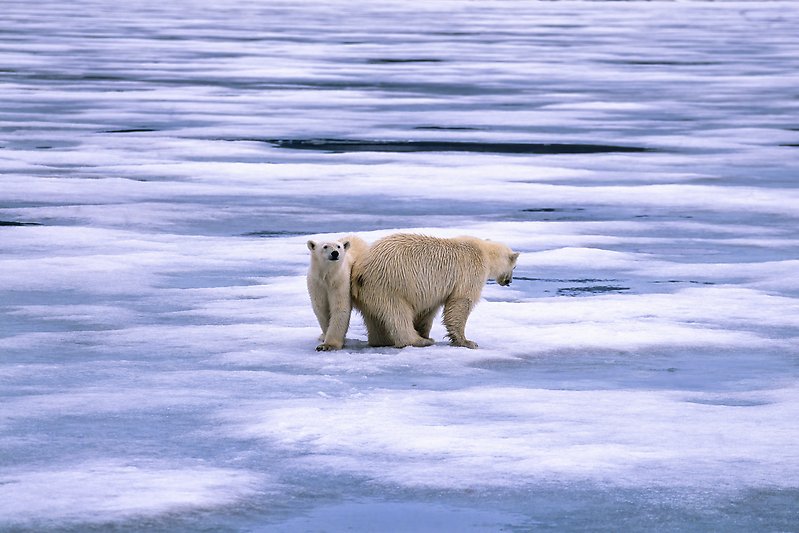
EU Project: TipESM
Improved understanding of climate tipping points and how they influence ecosystems and society.
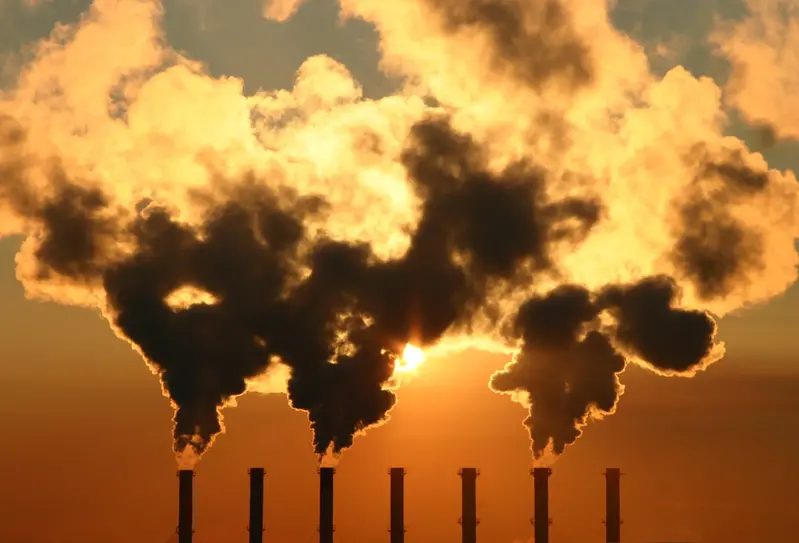
EU Project: OptimESM
New, policy-relevant knowledge about the consequences of reaching or exceeding different levels of global warming.
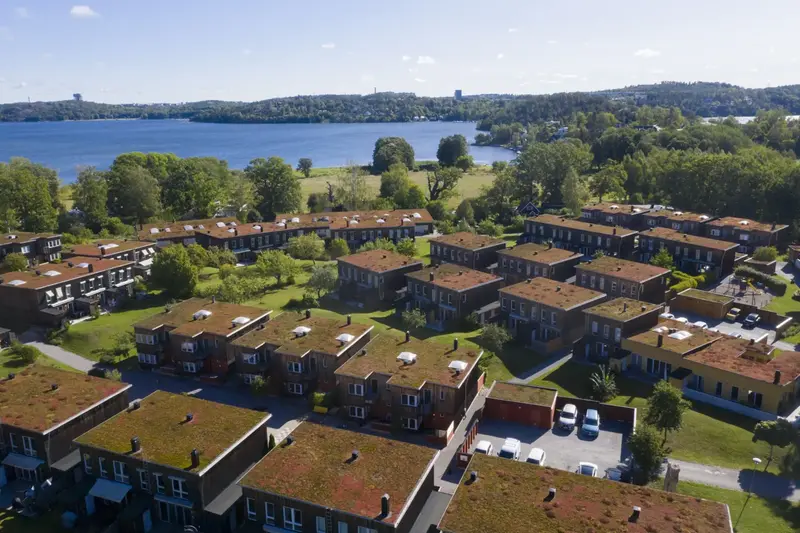
Climate Adaptation: Green4Extremes
Research on how green infrastructure can reduce both flooding and heat stress in cities, while also improving the urban environment.
Meteorology Research Projects
Meteorology research projects produce more detailed knowledge about atmospheric processes and explore how weather forecasts can be adapted for different applications. A growing focus in this field is the use of machine learning, artificial intelligence and satellite data for forecasting and atmospheric monitoring.
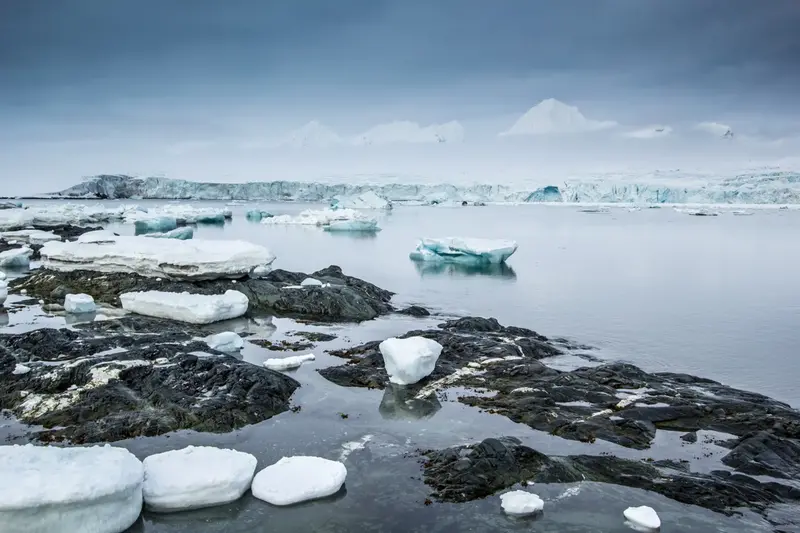
Copernicus Project: CARRA2
A new generation of Copernicus Arctic reanalysis.
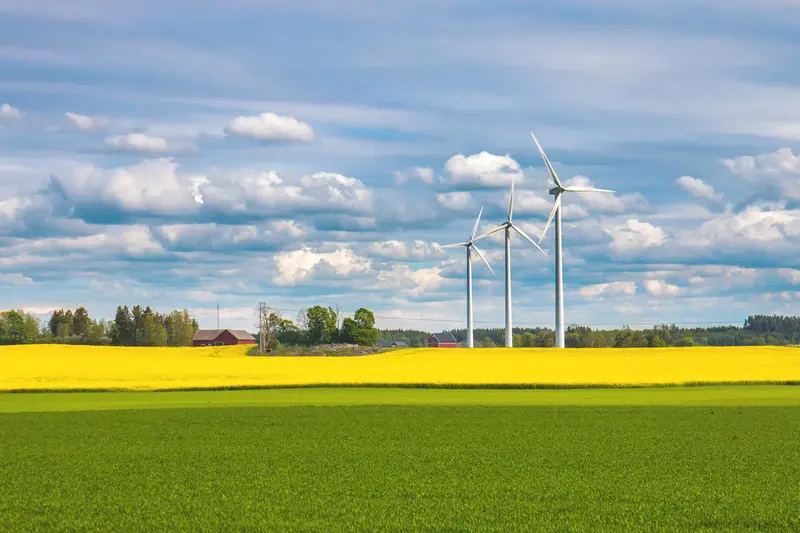
European Project: OWGRE
Optimised weather-related green energy production and consumption.
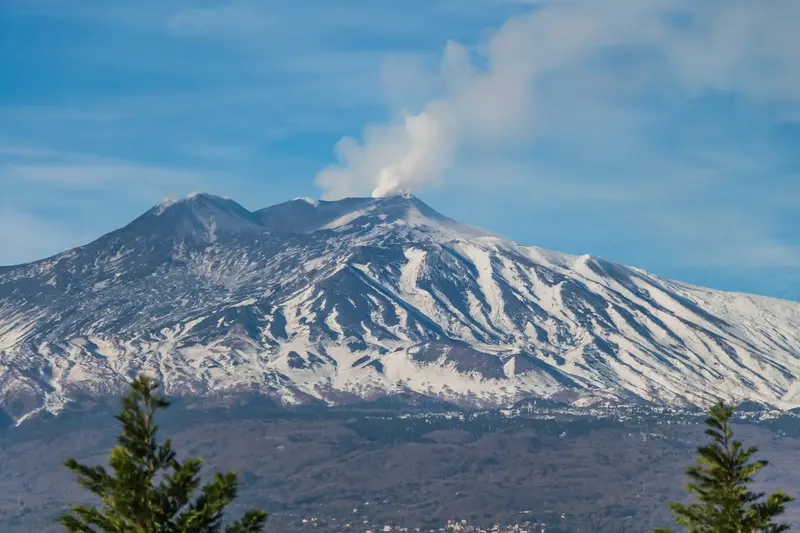
EU Projects: CAMEO and CAMAERA
Two research projects that improve the Copernicus Atmosphere Monitoring Service.
Hydrology Research Projects
SMHI’s hydrology research unit conducts applied research in both national and international projects. We work closely with users to improve the hydrological production chain and to deliver valuable information for many purposes.
Our project areas include forecasting, observations, transport of substances in water, and climate impacts. The research ranges from local to global applications.
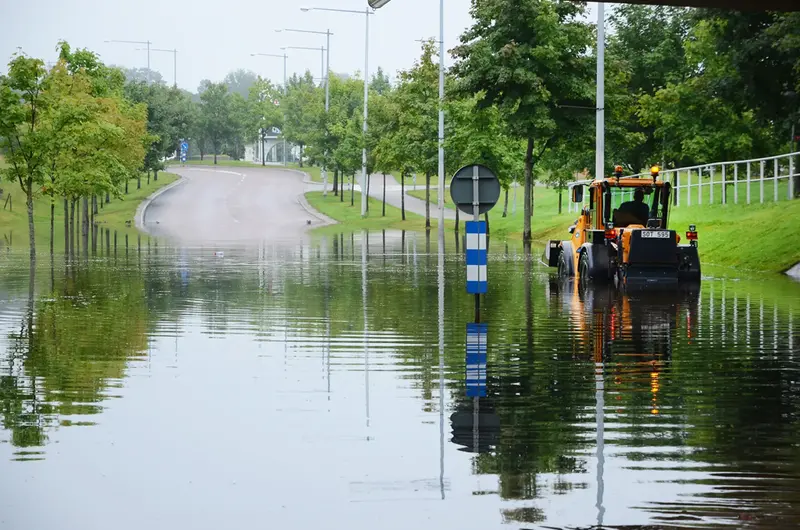
Fair Water
Collaboration to support equitable water management in catchments.
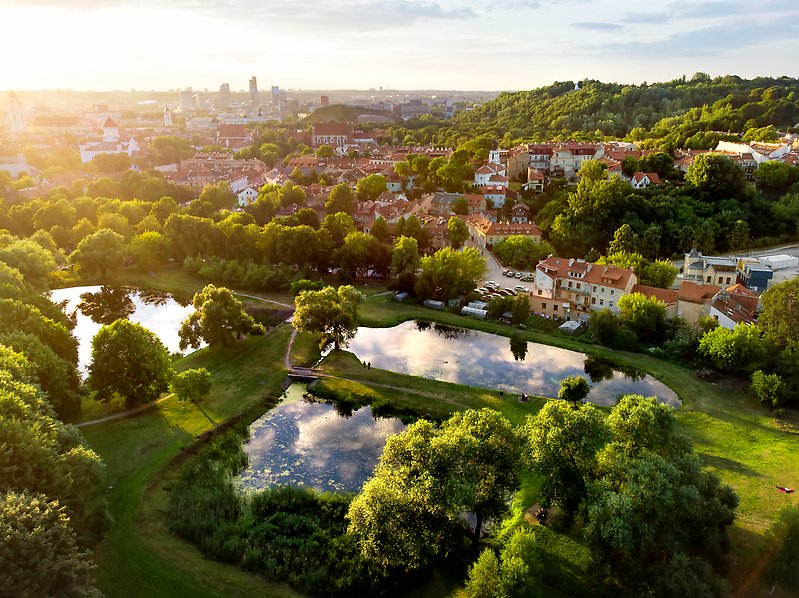
NBSPLUS
Nature-based solution services promoting local biodiversity, well-being and scalable solutions

FOCCUS
Development of Copernicus marine services.
Oceanography Research Projects
SMHI’s oceanography research unit participates in many national and international projects. We develop marine modelling and marine observations, and link them to essential services and research questions. These include historical reconstructions and climate change in the Baltic Sea, the North Sea and the Arctic.
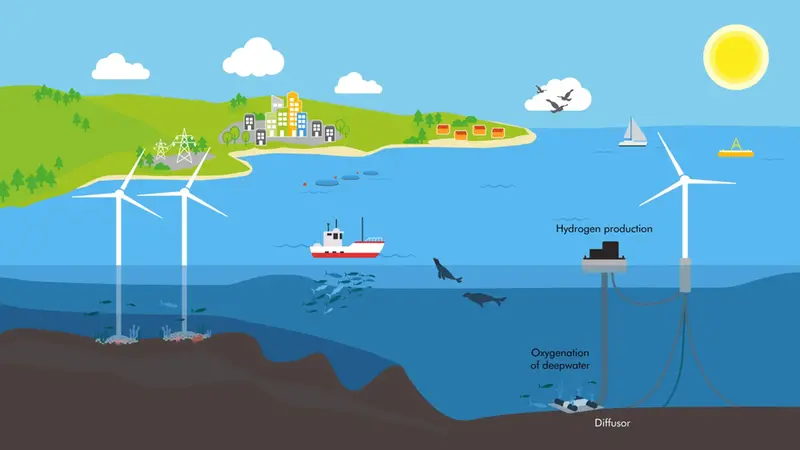
BaltVent
Research on whether oxygen-poor deep water in the Baltic Sea can be oxygenated using surplus oxygen from offshore hydrogen production.
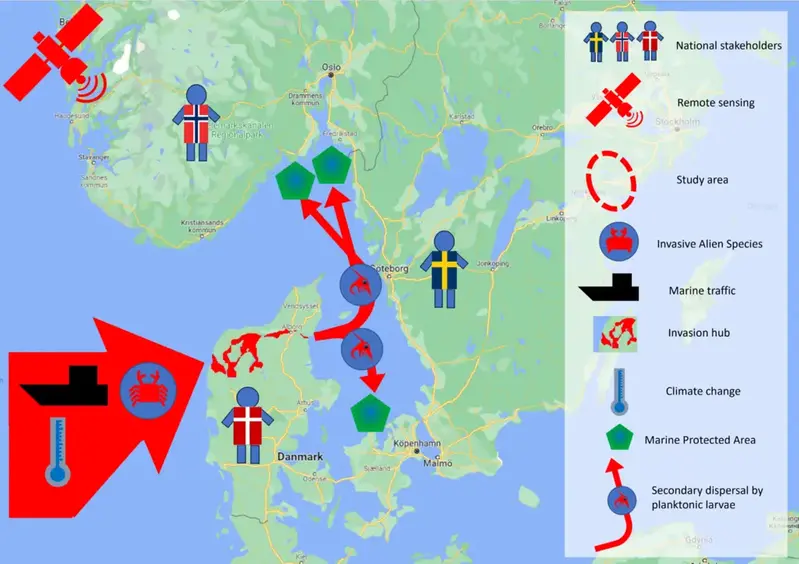
ClimateInvasives
A project aimed at reducing the negative effects of climate-related increases in the spread of invasive species into marine protected areas.
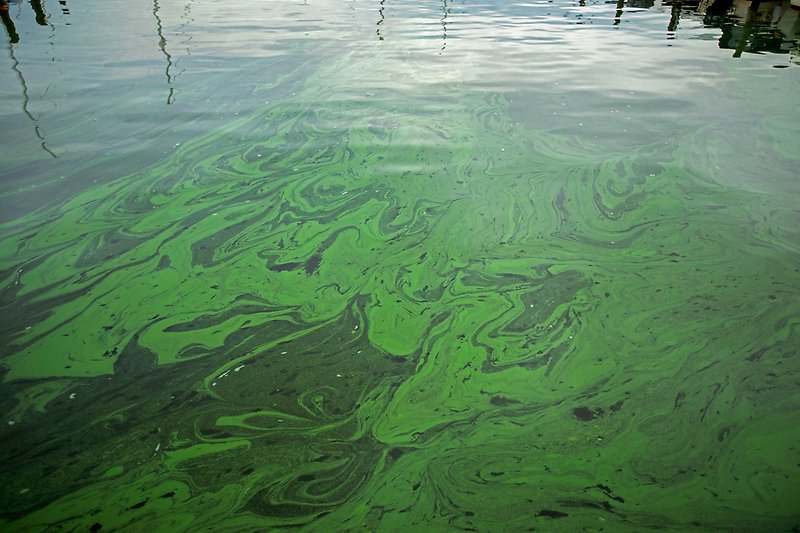
Monitoring of Algal Toxins and Blooms
Creation of a centre for environmental monitoring of algal toxins. SMHI coordinates sampling and conducts scientific analysis of the results.
International Development Cooperation Projects
Many of our researchers are involved in projects within SMHI’s international development cooperation. This ensures that our research is closely connected to practical work that promotes sustainable global development.
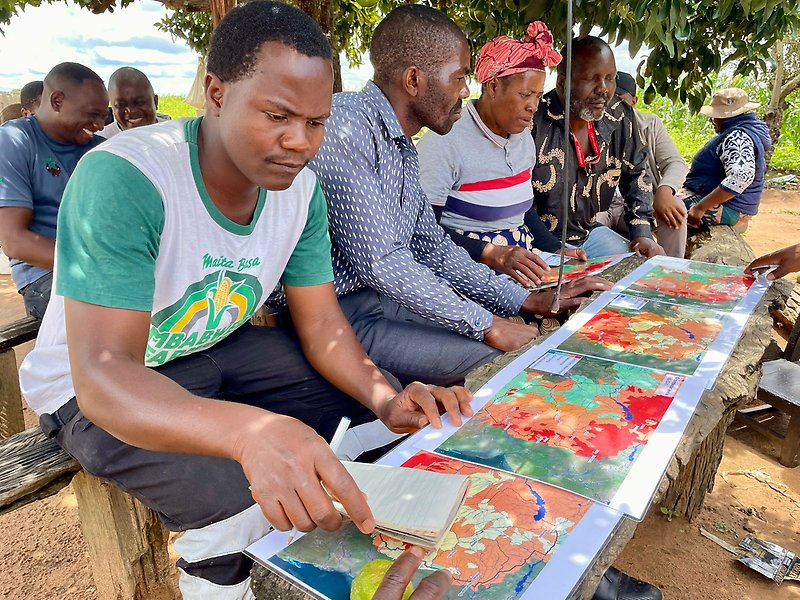
CARL2
Climate adaptation support for rural communities in Zimbabwe.
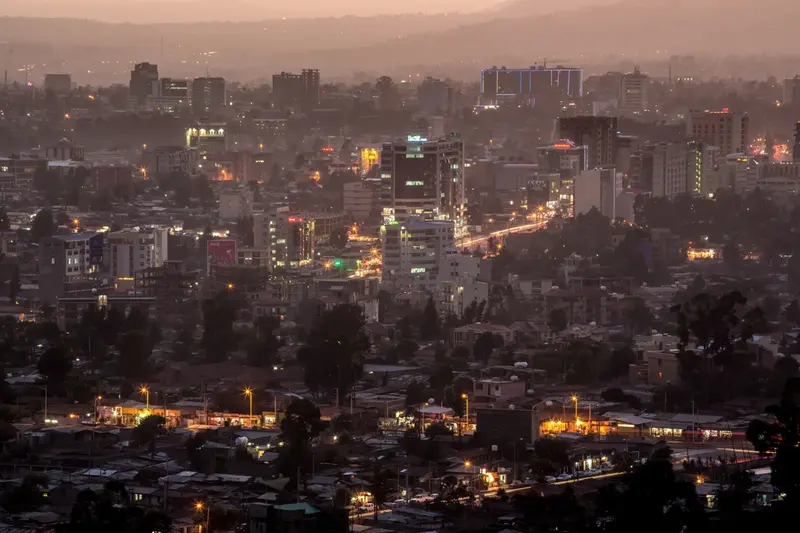
WACCA Ethiopia
Development of forecasting services related to weather and water in Ethiopia.

Forecasting Platform for West Africa
Development of a forecasting platform for floods and droughts in West Africa.