Research and development within hydrology
SMHI has a long tradition of operational hydrological modelling including forecasts of water discharge, fire hazard, design of dams and dam regulation routines, flood risk, water quality and substance transport and the effects of climate change on hydrology and water quality.
The hydrological research unit is engaged in numerous research projects, commissioned work and continuous development of the SMHI work-flow for hydrological forecasts and assessments. The work is often user-driven and performed in collaboration with external partners in Sweden, Europe or other parts of the world.
In addition, we produce open data from our computational systems and open source codes for hydrological modelling. The unit also has a number of specific scientific focus.
The hydrological research unit has commissions at national and international levels, including IAHS, International Association of Hydrological Sciences, NHF, Nordic Association of Hydrology and SHR, The Swedish Hydrological Council. –
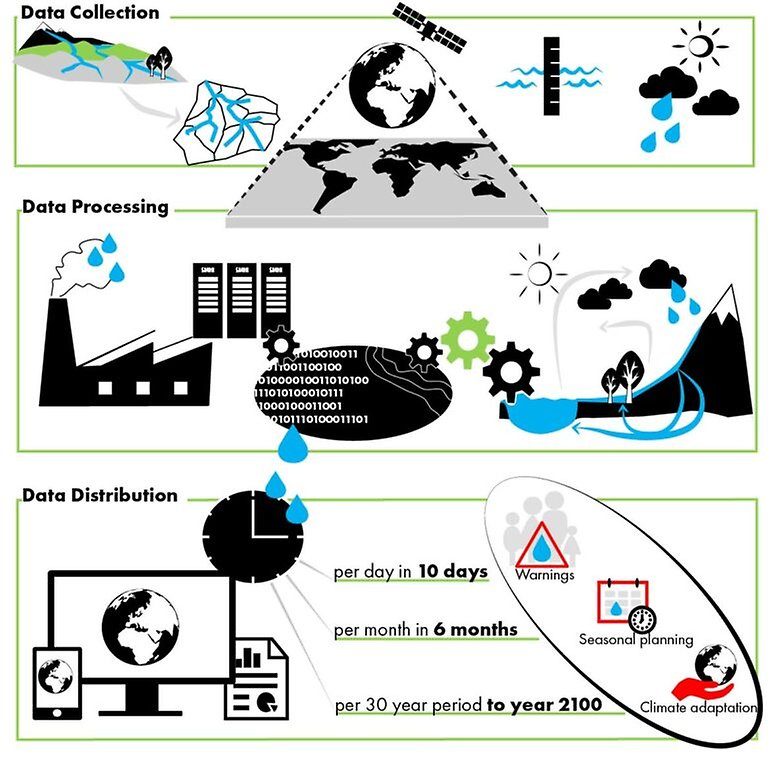

Open data – World wide hydrological predictions
Scientific publications from SMHIs hydrological research unit
We publish our research in international peer-reviewed journals and in SMHI reports. The two most recent publications are shown below.
Characterizing low and high flow spells and their temporal transitions using baseflow estimates
Guilherme M. Guimaraes, Maria-Helena Ramos, Ilias Pechlivanidis
Modelling the interplay between sectoral power asymmetries and the use of climate services
Charles Nduhiu Wamucii, Alexandros Ziogas, Ilias Pechlivanidis, Giuliano Di Baldassarre, Anne Van Loon, Maurizio Mazzoleni
Research news
New Perspective exploring how nature-based solutions can be implemented more effectively
Ursula McKnight, Senior researcher at SMHI, is the lead author of a new Perspective published by Springer Nature in Nature Water exploring how nature-based solutions can be implemented more effectively to address interconnected climate, water and biodiversity challenges.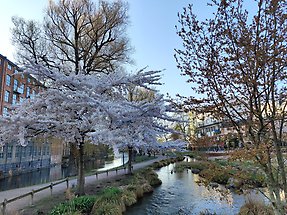
New look on interactions between clouds and transpiration by trees in European forests
New research shows a clear link between different cloud types and the transpiration in European forests. An international team of researchers has estimated how changes in cloudiness affect the amount of moisture released by trees into the atmosphere – something that also influences Earth’s water cycle.
SMHI supports the development of a hydrological forecasting and warning service in Estonia
SMHI has started a new collaboration with the Estonian Environment Agency (ESTEA) to support the development of a national, operational hydrological forecasting and warning service in Estonia.